



Condo project eligibility remains a critical concern for mortgage lenders navigating an increasingly complex lending landscape. Fannie Mae, Freddie Mac, and other government-sponsored enterprises maintain strict criteria that can instantly disqualify entire buildings from financing approval. Understanding these red flags enables underwriters to identify problematic properties before investing time and resources in loan processing.
The consequences of missing these warning signs extend beyond individual loan denials. Entire condo projects can land on “Do Not Lend” lists, creating lasting impacts that affect property values and marketability for years. Recovery from such designations requires extensive documentation, remediation efforts, and significant time investments from all stakeholders.
Red Flag #1: Extensive Deferred Maintenance
Deferred maintenance represents the most visible and immediately concerning red flag for lending institutions. This occurs when property management postpones or entirely neglects routine upkeep and necessary repairs. The issue extends far beyond cosmetic concerns, creating structural vulnerabilities that threaten both safety and long-term property viability.
Physical manifestations of deferred maintenance include cracked foundations, deteriorating exterior walls, compromised roofing systems, and failing building envelope components. Interior common areas displaying worn carpeting, damaged elevators, malfunctioning HVAC systems, and outdated electrical installations signal systematic neglect. These conditions not only pose immediate safety risks but also indicate potential cascading failures requiring expensive emergency interventions.
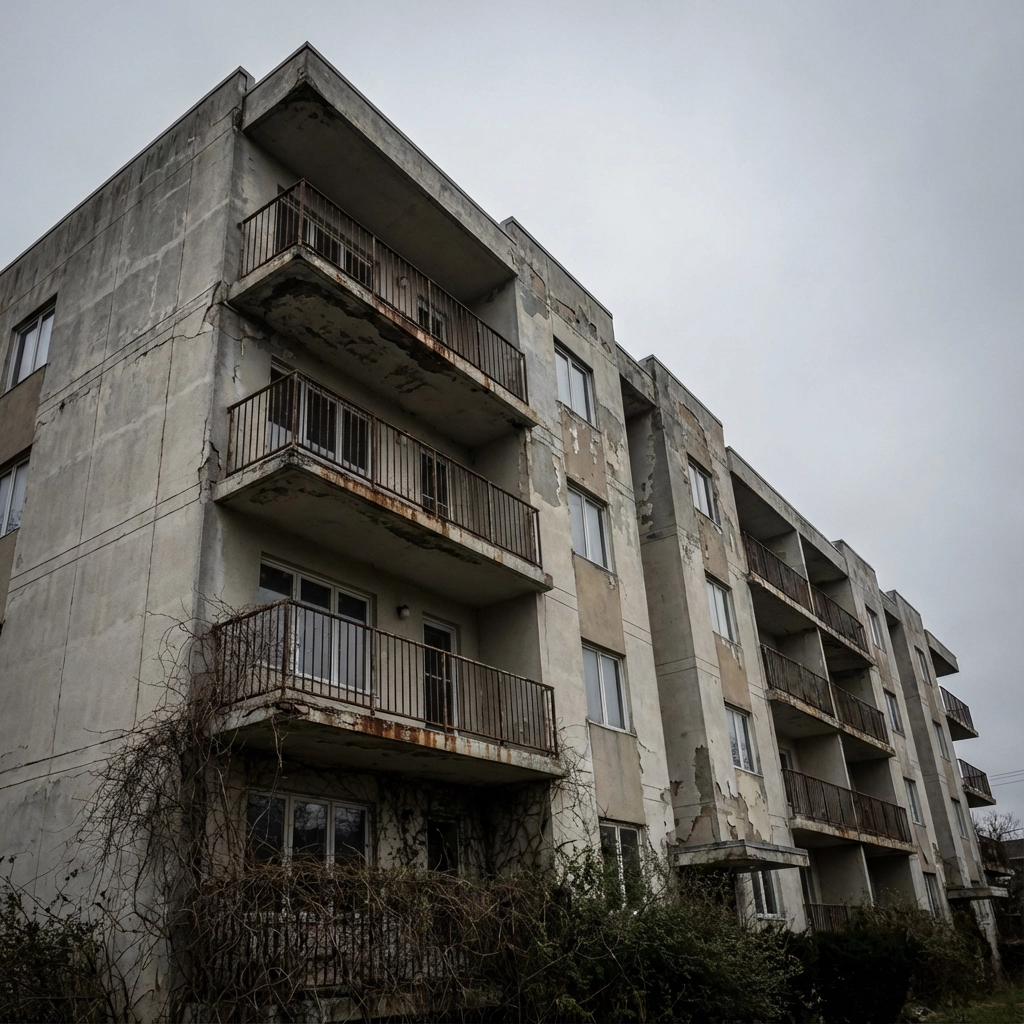
Fannie Mae specifically addressed this concern by implementing policies that make mortgage loans ineligible for purchase in buildings facing “significant deferred maintenance” effective January 1, 2022. The policy recognizes that postponed maintenance creates compounding problems including structural deterioration, increased utility costs, pest infiltration, and fire hazards from aging electrical systems.
Underwriters should examine recent engineering reports, inspection records, and maintenance logs to assess the property’s condition. Missing documentation or reports highlighting multiple deficiencies serve as immediate warning signs. Properties showing visible disrepair during initial assessments typically face automatic disqualification until comprehensive remediation occurs.
Red Flag #2: High Unit Owner Delinquency Rates
Assessment delinquency rates exceeding 15% trigger immediate concern among lending institutions. This threshold indicates widespread financial stress within the ownership community and suggests the homeowners association cannot reliably collect funds necessary for operations and capital improvements.
High delinquency rates create operational cash flow problems that prevent associations from addressing maintenance needs, funding reserve accounts, or responding to emergency situations. The resulting financial instability makes properties unsuitable for conventional financing as lenders cannot rely on consistent assessment income to support building operations.
Underwriters must review current assessment collection reports, aging analyses of outstanding receivables, and historical delinquency patterns. Properties showing increasing delinquency trends or consistently high non-payment rates require additional scrutiny. Special attention should focus on whether the association has implemented effective collection procedures and legal remedies for non-paying owners.

The situation becomes particularly problematic when delinquent units include rental properties or investor-owned units. These ownership patterns often correlate with higher default rates and reduced community engagement in association governance and financial planning.
Red Flag #3: Insufficient Reserve Funding
Inadequate reserve funds represent a critical financial vulnerability that immediately concerns lending institutions. Associations must maintain sufficient capital reserves to address major building components replacement, emergency repairs, and planned capital improvements without imposing substantial special assessments on owners.
Reserve funding inadequacy manifests through multiple indicators including reserve studies showing significant underfunding, recent large special assessments, deferred capital projects, or reserve accounts below industry standard percentages of annual operating budgets. Properties with reserve funding below 10% of annual budgets typically face lending restrictions.
The problem becomes acute in older buildings where major building components approach replacement schedules simultaneously. Roofing systems, HVAC equipment, elevator modernization, and exterior building envelope projects often require substantial capital investments that poorly funded reserves cannot accommodate.
Recent examples in markets like South Florida demonstrate the severity of this issue, where condo owners faced six-figure special assessments to address long-overdue structural repairs. Such situations force property sales, create financial hardship, and signal systematic reserve planning failures that concern lending institutions.

Underwriters should examine reserve studies completed within the past three years, review funding schedules and planned expenditures, and assess whether current reserve levels align with upcoming capital needs. Properties showing significant gaps between required reserves and actual funding levels require immediate attention.
Red Flag #4: Pending Litigation Against the Association
Active lawsuits involving the homeowners association create immediate lending concerns due to potential financial exposure and unresolved property defects. Litigation typically involves construction defects, contractor disputes, insurance claims, or governance conflicts that could require expensive resolution and create ongoing financial obligations.
Pending litigation signals underlying problems with property construction, maintenance practices, or association management that extend beyond the immediate legal dispute. Lenders view these situations as high-risk because litigation outcomes remain uncertain and could result in substantial financial judgments against the association.
Construction defect litigation particularly concerns underwriters because it often involves widespread building problems requiring extensive remediation work. Water intrusion claims, structural deficiencies, and building envelope failures represent common litigation areas that can result in million-dollar settlements and special assessments.
Insurance coverage litigation also raises immediate red flags, especially cases involving coverage denials for significant claims. These disputes suggest potential gaps in insurance protection that could leave associations financially exposed to major losses.
Underwriters must review all pending legal matters, examine litigation reserves and potential financial exposure, and assess whether the association maintains adequate legal counsel and insurance coverage. Properties with multiple active lawsuits or cases involving substantial potential judgments typically face automatic lending restrictions.

Red Flag #5: Poor Financial Documentation and Insurance Deficiencies
Inadequate financial record-keeping and insufficient insurance coverage create lending obstacles that often prove difficult to overcome quickly. Lenders require comprehensive documentation to assess property financial health and risk exposure, making incomplete or poorly maintained records automatic disqualifiers.
Essential documentation includes audited financial statements, detailed budgets with variance analyses, complete meeting minutes from board meetings, current insurance policies with adequate coverage limits, and reserve studies prepared by qualified professionals. Missing or outdated documentation suggests inadequate governance and financial management oversight.
Insurance deficiencies represent particularly serious concerns because they expose both individual owners and lending institutions to catastrophic loss potential. Required coverage includes general liability, property insurance with replacement cost coverage, directors and officers liability, and adequate fidelity bonding for financial management personnel.
Properties in high-risk areas must maintain appropriate wind, flood, earthquake, or other natural disaster coverage based on geographic location and risk exposure. Insufficient coverage limits, policy exclusions that eliminate critical protections, or coverage gaps between policy renewals create immediate lending concerns.

Management company qualifications also factor into this assessment. Properties managed by companies lacking appropriate licensing, insurance coverage, or industry experience face additional scrutiny. Professional management with proven track records and appropriate certifications helps demonstrate competent oversight and reduces lending risk.
Recovery and Prevention Strategies
Properties identified with these red flags face significant challenges in obtaining financing approval. Recovery typically requires comprehensive remediation addressing underlying issues rather than cosmetic improvements. This process often involves engaging qualified professionals including engineers, attorneys, accountants, and experienced property managers.
Successful remediation requires systematic approaches including professional engineering assessments to identify and prioritize necessary repairs, comprehensive reserve studies to establish appropriate funding levels, legal counsel to resolve pending litigation and review governance documents, and qualified management to implement improved financial controls and maintenance programs.
Prevention strategies focus on proactive management including regular professional inspections, preventive maintenance programs, adequate reserve funding with regular study updates, transparent financial reporting and record-keeping, and comprehensive insurance coverage with regular policy reviews.
The time and expense required for remediation make prevention significantly more cost-effective than attempting to recover from lending restrictions. Properties maintaining professional management, adequate reserves, and comprehensive documentation typically avoid most eligibility problems and maintain consistent access to conventional financing options.
Understanding these red flags enables underwriters to quickly identify problematic properties and focus resources on viable lending opportunities. The stakes remain high as lending restrictions can persist for years and significantly impact property values throughout entire buildings.